
Physics
Relativity Series Part 1 - Special Relativity
In this article, we introduce the theory of Special Relativity and explain the Lorentz Transformations.
Deniz Şanlı•January 30, 2025
From quantum mechanics to cosmology, explore the fundamental laws of the universe.
In this article, we introduce the theory of Special Relativity and explain the Lorentz Transformations.
In this article, we discuss Lorentz contraction and time dilation.
In this article, we discuss the concept of spacetime and spacetime diagrams.
In this article, we discuss vectors, tensors and relativistic dynamics.
In this article, we discuss Relativistic Dynamics.

In this part, we explain the crystal structures of solids.
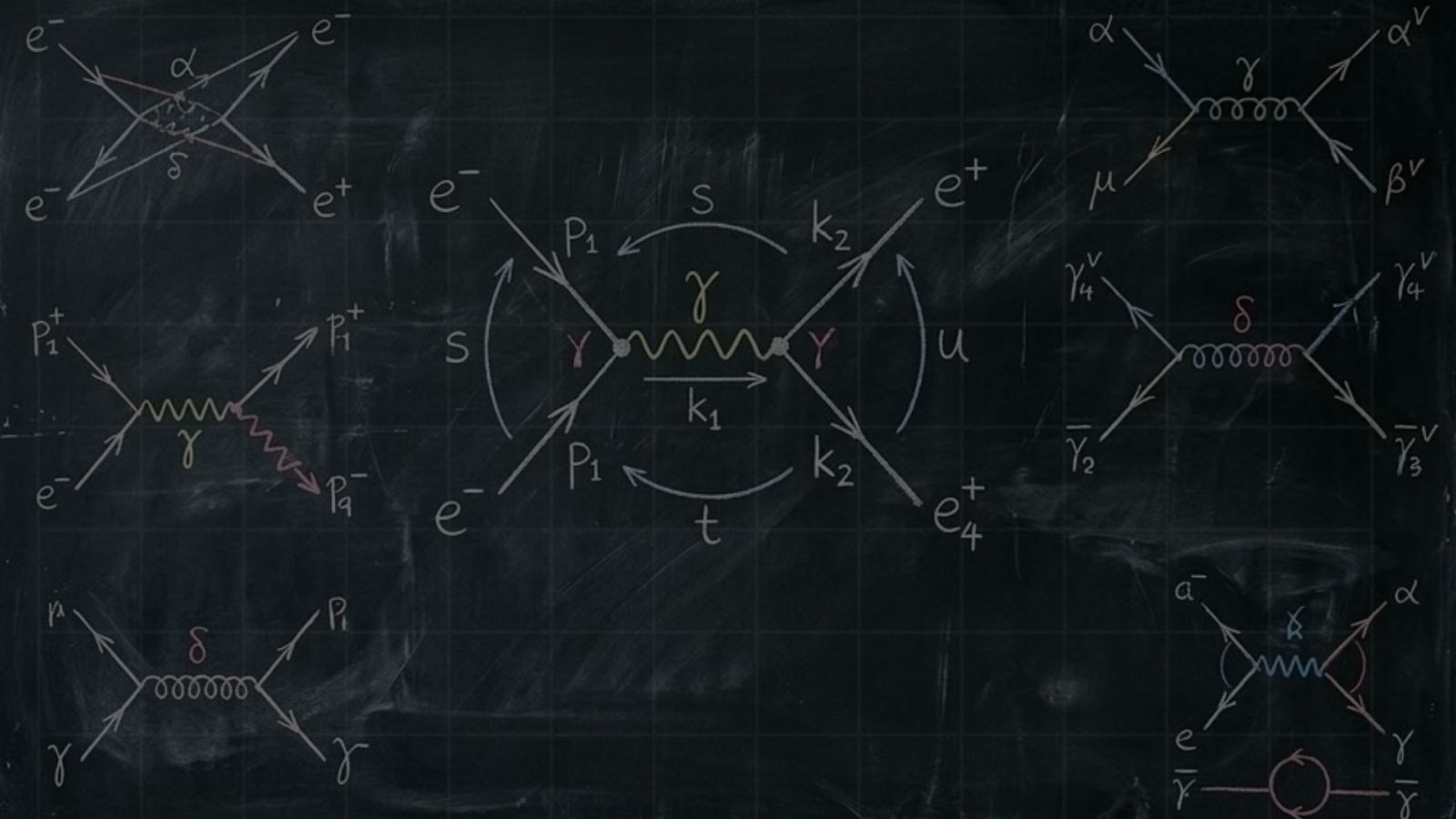
In this part, we answer the questions of what Feynman diagrams are and why they are needed.
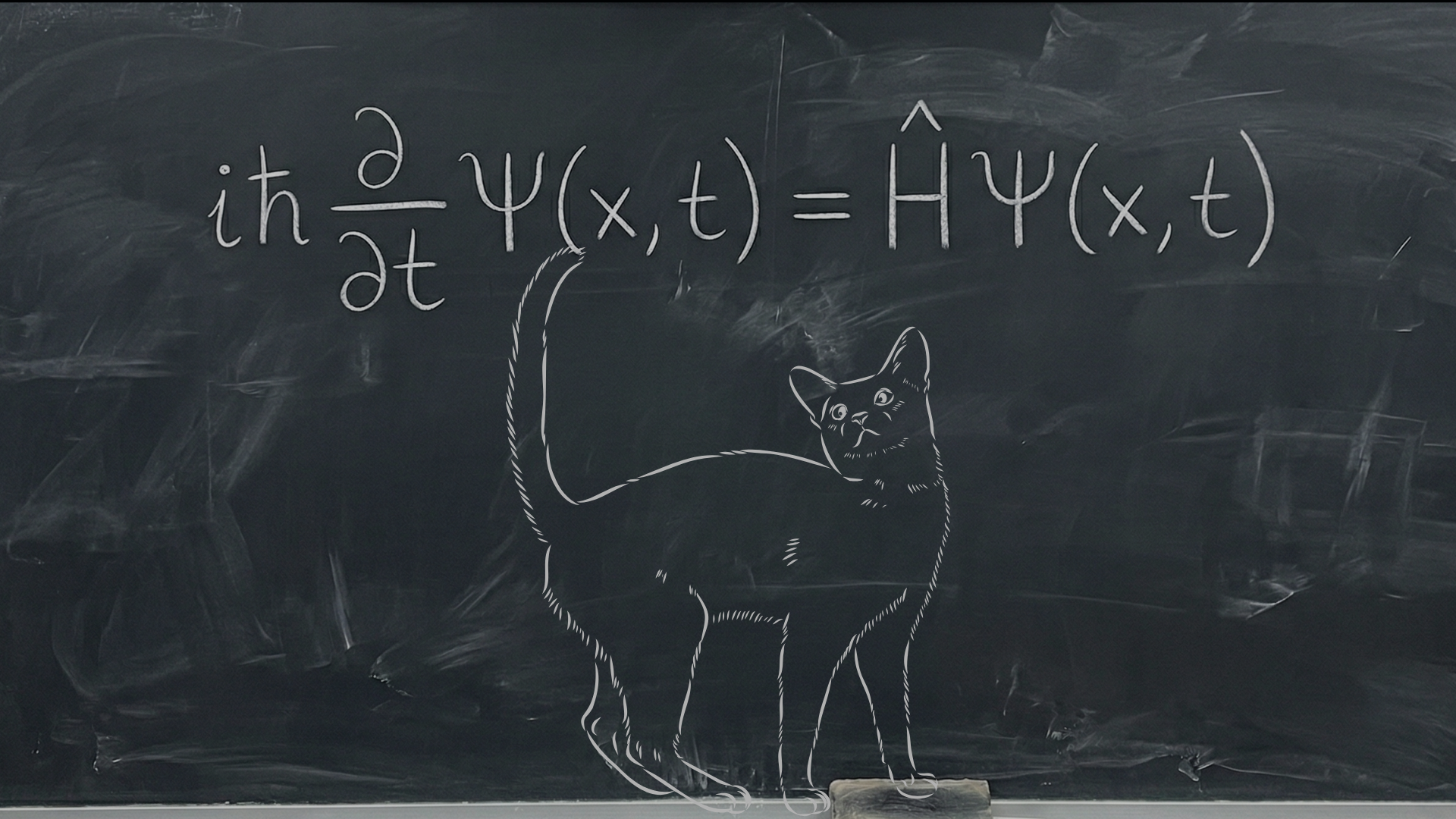
In this article, we discuss the Schrödinger equation.
In this article, we discuss electrostatics.
In this part, we summarize the quantum mechanics equations we will use in later parts.

In this part, we introduce Python and show how to write your first code.
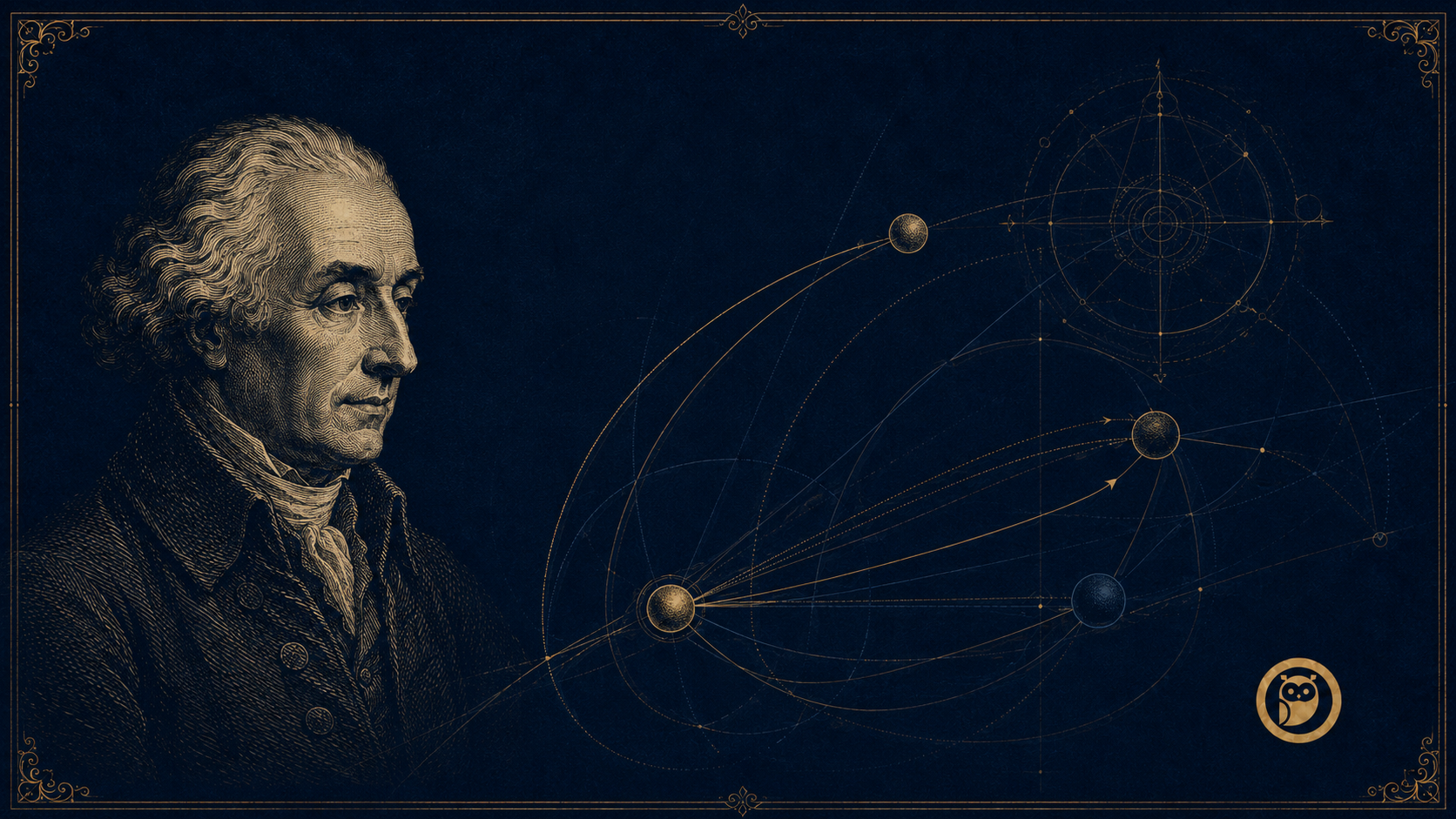
In this part, we explain the geometric foundations of classical mechanics: affine spaces, configuration manifolds, and the principle of least action.
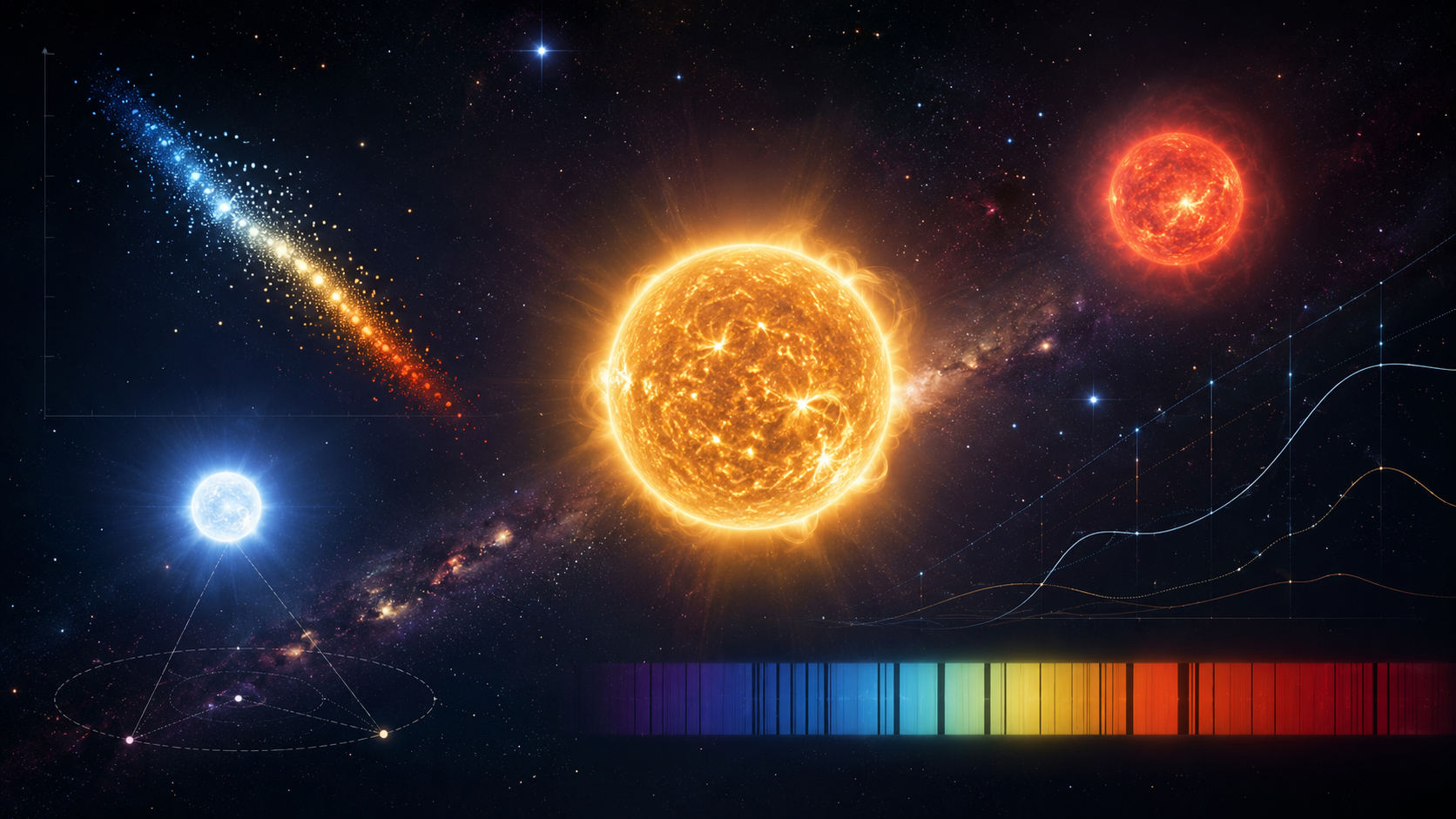
In this part, starting from starlight, we explain how to characterize a star through brightness, distance, temperature, color, spectrum and the HR diagram.
In this part, we use the Kronig-Penney model to solve the Schrödinger equation for an electron in a periodic potential and explain how the allowed energy bands and forbidden band gaps in solid crystals arise.
In this part, we explain the mechanical equilibrium that keeps stars from collapsing under their own gravity, the sources of pressure, and the fundamental equation of state of stellar matter.
In this article, to understand why supersymmetry is needed, we examine step by step the Standard Model's Higgs mechanism, the electroweak scale, and the hierarchy problem.
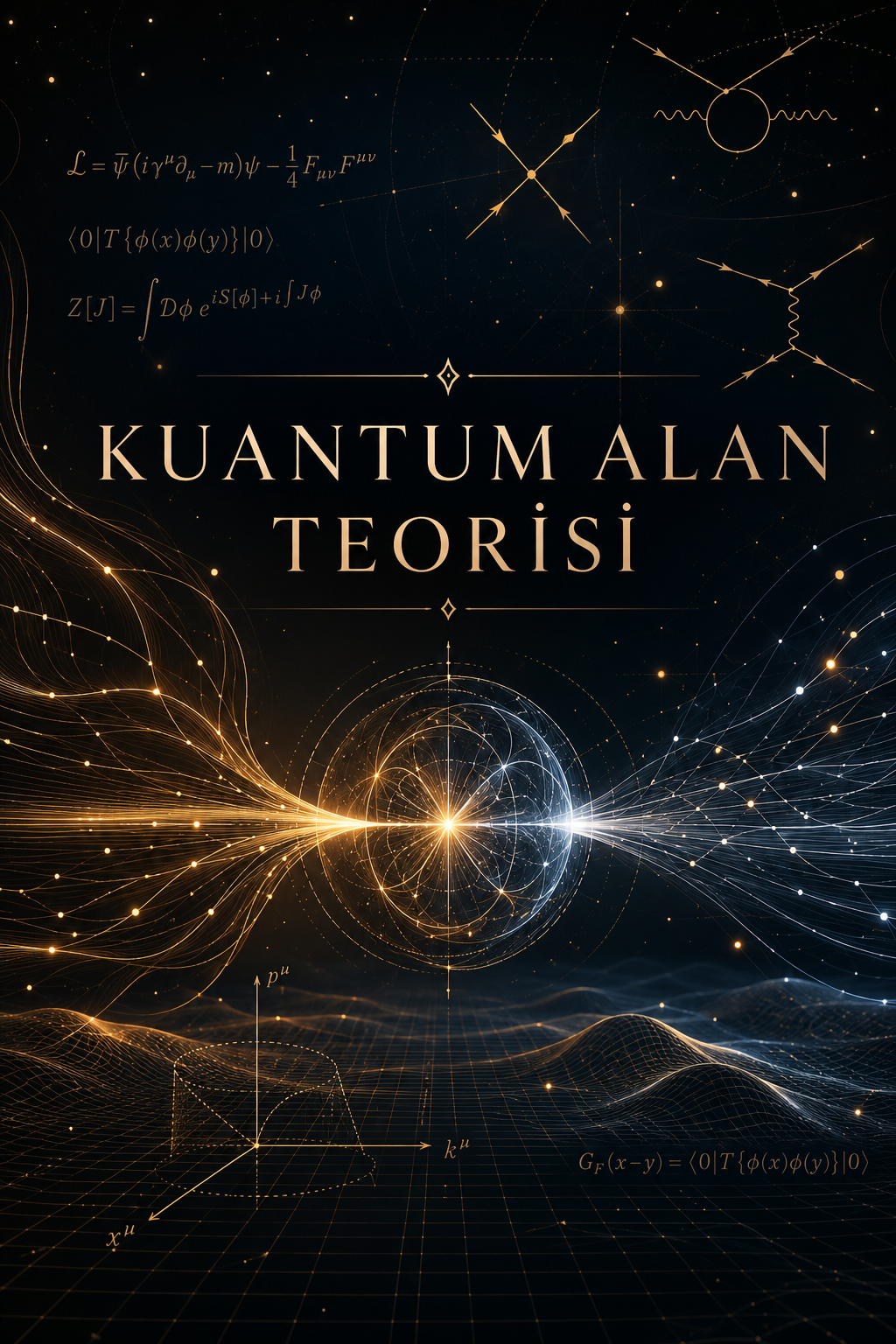
In this article, we explain why the principles of special relativity and causality render single-particle quantum mechanics inadequate, the limits of the Klein–Gordon and Dirac equations, and the birth of quantum field theory.
In this part, we explain the relationship between electric field and potential, the Laplace and Poisson equations, the method of image charges, and how boundary value problems are solved.
In this article, we examine the Higgs mechanism step by step with all its mathematical details, from the Mexican-hat potential and spontaneous symmetry breaking to how the electroweak gauge bosons acquire mass.
In this part, we examine the electron's energy-momentum relation in three-dimensional crystal structures of solids using E-k diagrams, and explain direct/indirect band transitions and the concept of effective mass through GaAs and Si.
In this part, we reduce the hydrogen-atom problem to a one-particle problem using the reduced-mass approximation. By separating the Schrödinger equation in spherical coordinates, we explain the origin of the principal, orbital, and magnetic quantum numbers, energy quantization, orbital shapes, the most probable electron distance, energy degeneracy, and the space quantization of angular momentum.

In this part, we discuss the historical development of resurgence theory, the Airy function, the Stokes phenomenon, asymptotic analysis, and its applications in quantum mechanics.

In this part, we discuss the expansion of the universe, the concept of physical distance, and how distances are defined in cosmology using comoving observers.